
Rat removal in Houston, TX
Start with the signs. Get a plan for your property.
Help with rats
in Houston.
For a rat problem in Houston, TX, call 346-415-5001. Describe the property, where you have noticed activity, and any removal or repair work already attempted.
Confirm coverage for your exact address, current availability, and inspection pricing when you call. A city listing describes a service contact; the map below does not identify a business office.
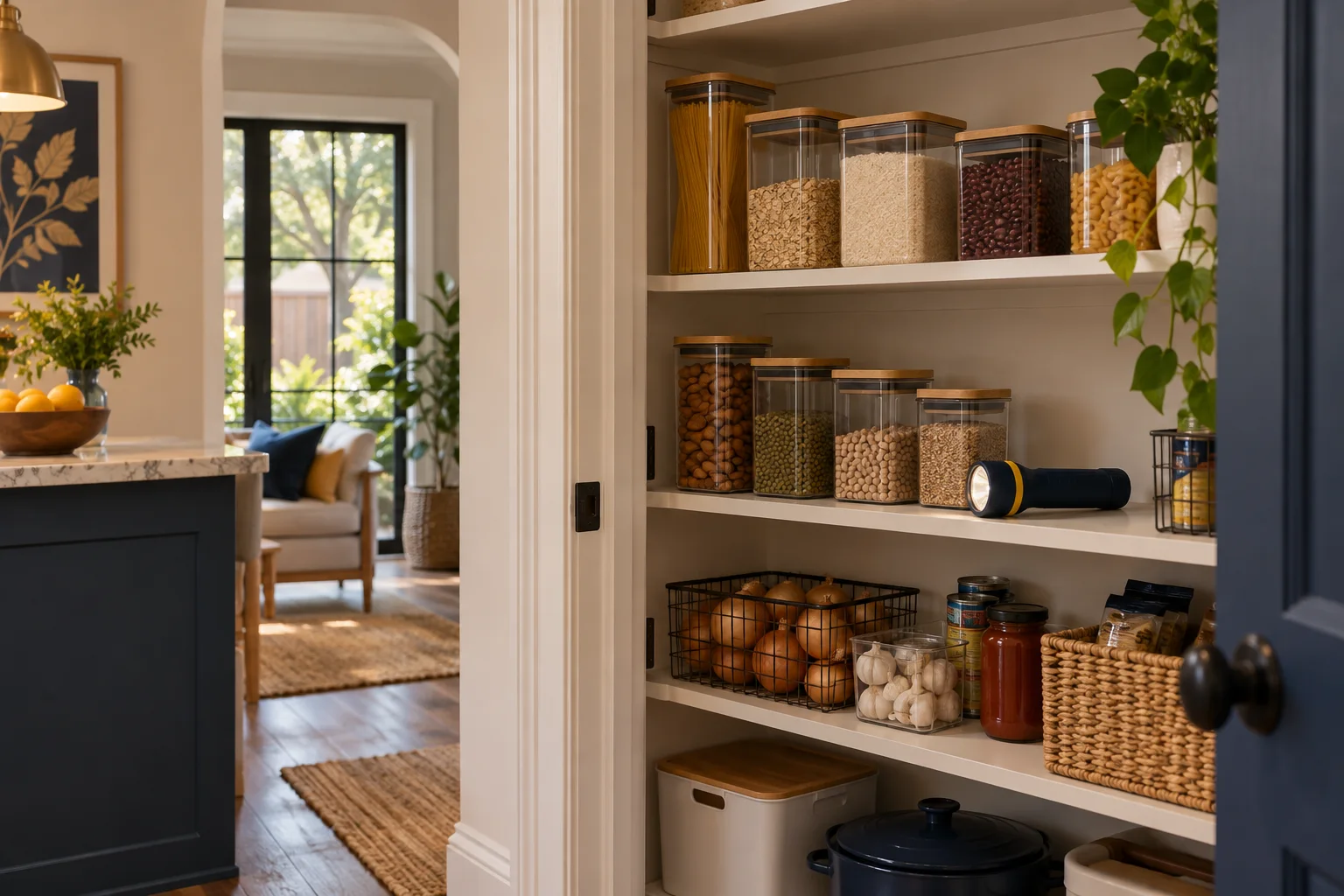
Rat-control inspection for a Houston food-service rear entry
A business rat-control plan should examine receiving, refuse, and exterior openings together. Houston’s Animal Regulation guidance says that fallen birdseed, unsecured garbage, pet food, and similar food sources can attract rodents. That current City guidance makes a careful receiving-area review more useful than reacting to a single sighting.
Example scenario: deliveries and a refuse enclosure
Imagine a Houston café manager finds gnaw marks on a dry-goods carton near a rear receiving door. Inspect the delivery path from truck to storage: check the door sweep, threshold, wall joints, pallet condition, floor drains, and the route to the refuse enclosure. Then inspect newly delivered cartons before moving them into stock. A damaged carton may have occurred in transit, while fresh evidence along the wall may point to an opening or a storage condition. The inspection should preserve that distinction.
Houston’s Animal Regulation guidance specifically identifies fallen birdseed and unsecured garbage as conditions that attract rodents. For this site, record the exact opening, carton, refuse-container seam, or accumulation observed. Do not assume the enclosure is the source just because it is nearby; look for a continuous route or fresh evidence.
A practical service routine
Keep deliveries elevated and inspectable, remove unusable cardboard promptly, and keep refuse containers clean and closed. Repair a confirmed door or wall gap with a durable material appropriate to the opening. If a control device is used, it must be accessible to the person responsible for checks and kept away from food, staff routes, and customers.
The next review can compare the receiving threshold, stock-room wall, and enclosure after normal deliveries and collection. A short log should identify fresh evidence, the condition corrected, and any repair still pending. This turns a local code expectation into a practical daily routine without claiming that a City inspection or treatment has occurred.
Illustrative example and AI-generated image; not a report of a completed service visit.
Further local guidance: City of Houston Animal Regulation: Wild animals on private property · City of Houston Municipal Court current docket
Plan the inspection
Scratching overhead, a damaged food container, or droppings near storage can point to different routes through a building. Record the affected room and the time you notice activity. Mention whether the property has an attic, crawl space, attached garage, or shared wall so the inspection can account for connected spaces.
A useful proposal should identify suspected entry points, explain how animals will be removed and monitored, and describe the repairs intended to prevent a return. Keep cleanup and damage repair in the conversation; neither is automatically included in a trapping visit.
When you call 346-415-5001
- Confirm service at your Houston address.
- Explain fresh signs and how long they have continued.
- Mention children, pets, or areas that cannot be safely accessed.
- Ask what inspection, follow-up, exclusion, and cleanup will cost.
Houston area map
City-area reference map. Confirm your service address by phone. Open Houston in Google Maps.